 Most popular
Water Damage Restoration
Seattle’s go-to link to reliable water damage restoration, done right.
Learn more about Water Damage Restoration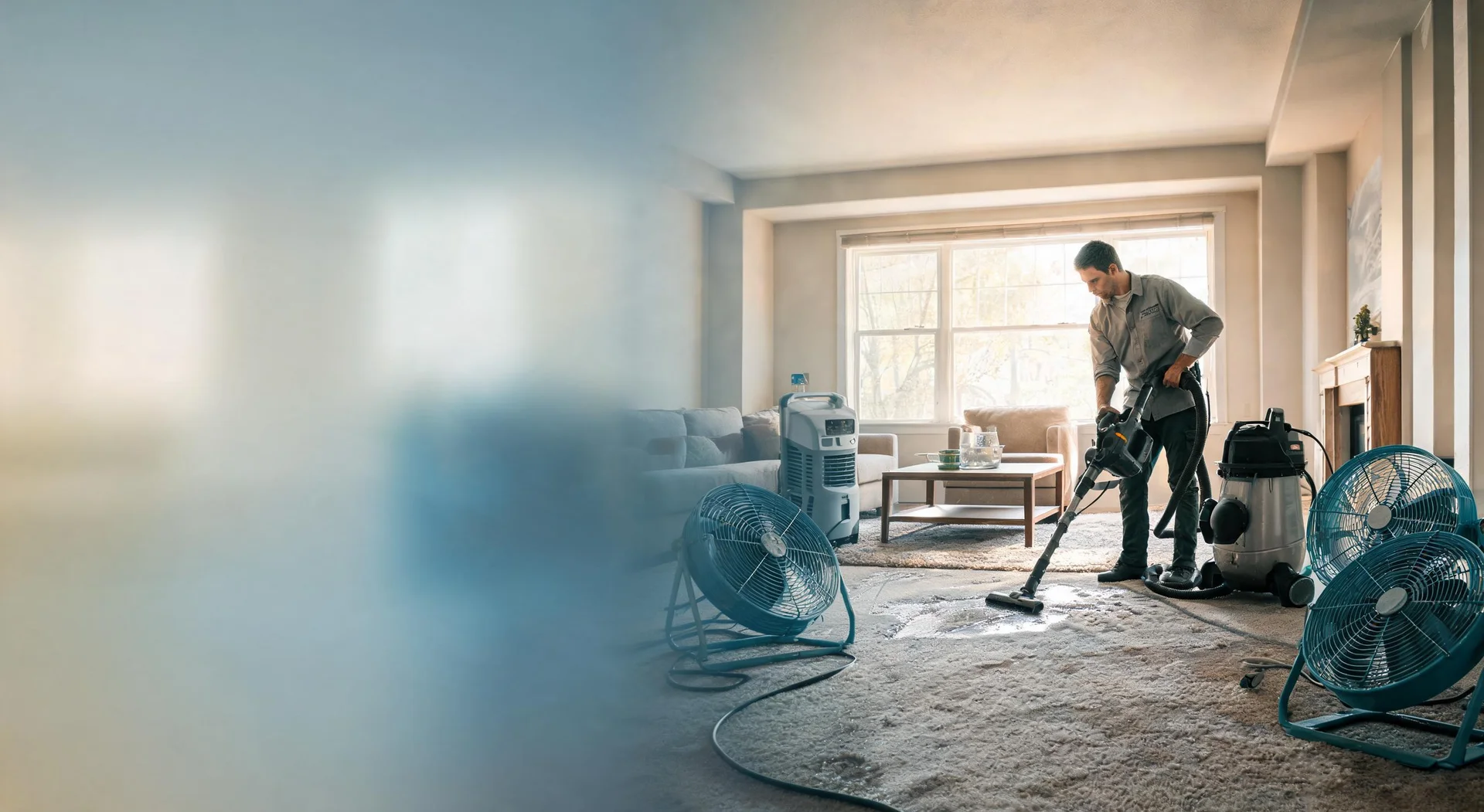
Trusted local contractors for water, mold and odor issues across the Seattle area. Clear guidance, dependable scheduling, and quality-focused results.
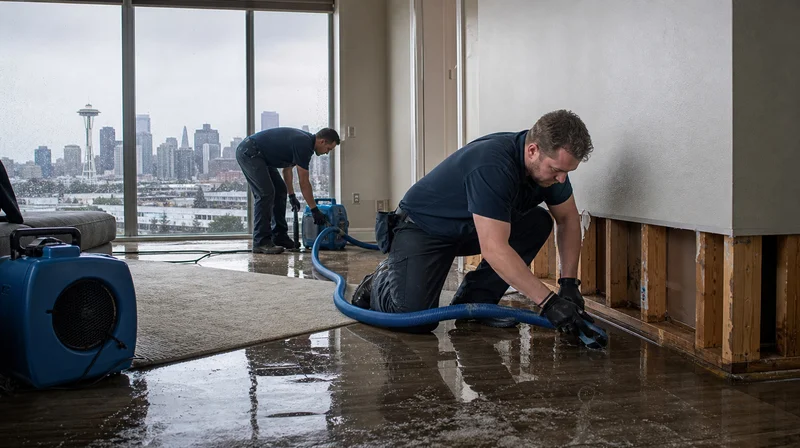
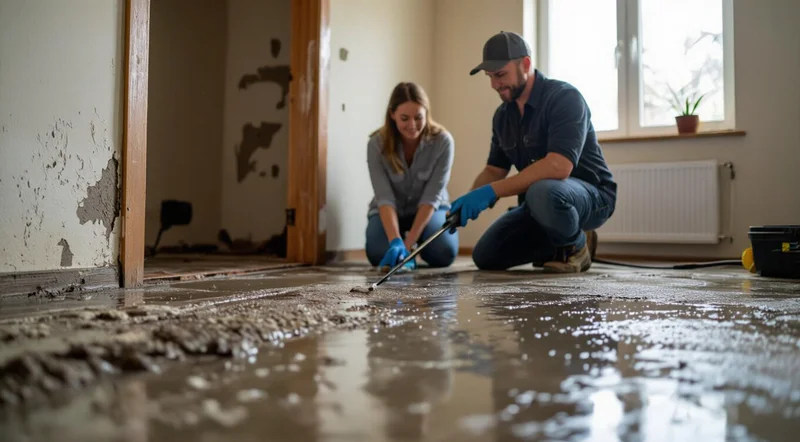
Seattle, WA homeowners face frequent rain, occasional wind-driven storms, and a mix of older and new construction. Seattle Water Damage Restoration Services connects you with local contractors who handle water damage restoration from start to finish; water removal, moisture detection, strategic deconstruction, structural drying, and sanitizing to help prevent secondary damage.
You can also be matched with specialists for mold remediation and mold removal. They isolate work areas, use HEPA-filtered air scrubbers, and follow industry protocols to clean surfaces and address hidden growth.
If you need clarity before work begins, mold testing helps define the scope. And when musty or smoke-like smells linger after a leak, thermal fogging odor removal can neutralize stubborn odors in materials and airspaces.
Service is designed to be simple, fair, and dependable, with scheduling that respects your routine and updates that keep you informed.
Most popularSeattle’s go-to link to reliable water damage restoration, done right.
Learn more about Water Damage Restoration
Thorough mold remediation in Seattle, WA with careful containment, safe removal, and clean, dry results.
Learn more about Mold Remediation
Accurate mold testing with clear lab reports and local insight.
Learn more about Mold Testing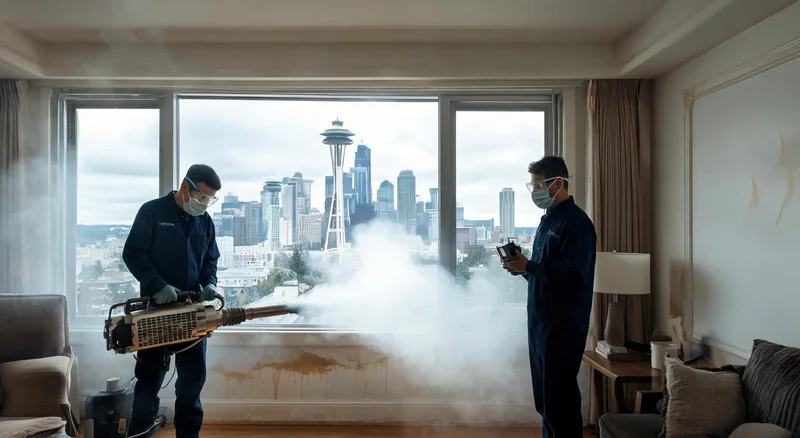
Neutralize smoke, pet, and musty odors with deep-penetrating thermal fogging for Seattle homes and rentals.
Learn more about Thermal Fogging Odor RemovalWelcome to Seattle Water Damage Restoration Services; a lead-generation website that connects Seattle-area homeowners with vetted independent contractors for reliable service. If you’re dealing with leaks, flooding, musty odors, or visible growth, we help match you with pros who focus on water damage restoration, mold remediation, mold removal, mold testing, and thermal fogging odor removal.
You get a simple process, fair guidance, and dependable follow-through. Contractors we work with use moisture mapping, targeted demolition only where needed, professional drying equipment, and careful cleanup to protect your home and indoor air.
Curious about budgets in the city? See typical water damage restoration costs in Seattle.
Seattle homes range from classic craftsman bungalows to modern townhomes, each with different moisture risks. Seattle Water Damage Restoration Services connects you with contractors who understand local building styles and the way our climate affects materials. From careful water extraction to HEPA filtration, containment, and safe disinfecting, the approach aims to dry structures quickly while protecting indoor air.
On Capitol Hill and Beacon Hill, mixed-age housing often means older plumbing and tight crawl spaces; technicians tailor drying and access to fit. In West Seattle, coastal winds can drive rain under siding, so crews watch wall cavities closely. Around Green Lake, basements and daylight lower levels get special monitoring to prevent recurring dampness. Across the city, you get practical assessments, clear next steps, and coordination with other trades when repairs are needed.
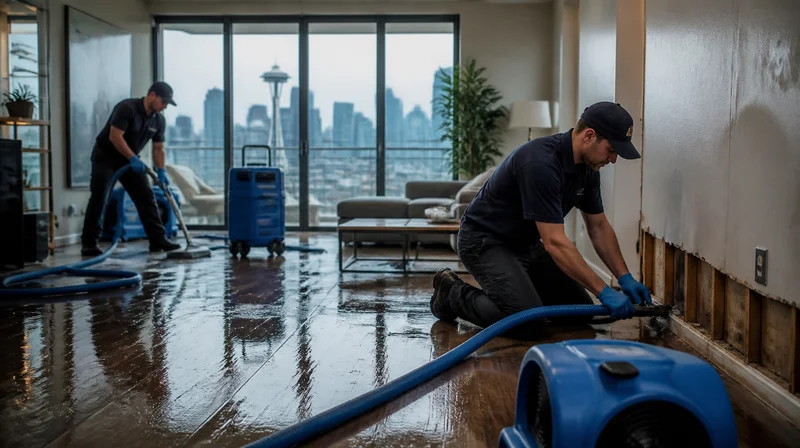
Seattle’s long wet season, wind-driven rain off the Sound, and frequent freeze–thaw cycles can push moisture into roofs, window assemblies, siding, and crawl spaces. Many homes have basements or partial below-grade levels where hydrostatic pressure and slow leaks hide behind finishes. Older framing and sheathing can hold water longer, and modern tight envelopes can trap humidity after a leak. That mix makes prompt water damage restoration essential to protect structures and indoor air. Mold remediation and mold removal address growth that follows untreated moisture, while thermal fogging odor removal helps clear musty smells that linger in porous materials.
When structural repairs require permits, the Seattle Department of Construction & Inspections (SDCI) oversees permitting and inspections.
Crews stage from central Seattle to reach neighborhoods and nearby suburbs efficiently. Using I‑5, SR‑99, and key arterials, teams can be in Ballard, Queen Anne, or the Rainier Valley in roughly 20–35 minutes depending on traffic and bridge lifts. Eastbound jobs typically route over SR‑520 or I‑90 for quick access.
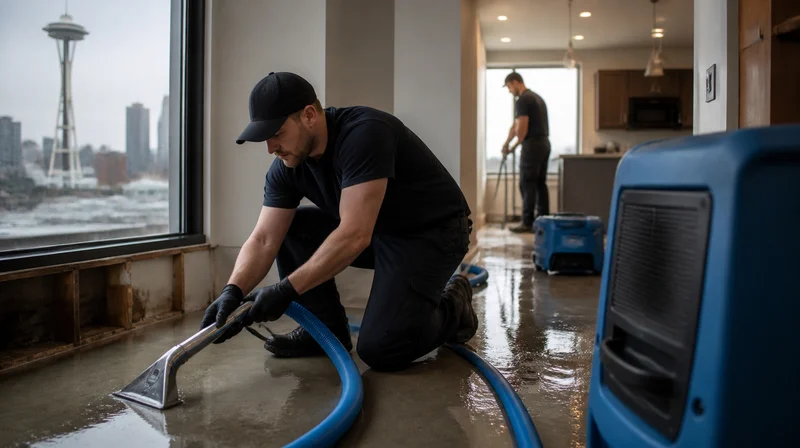
This central positioning reduces delays in getting moisture meters, air movers, dehumidifiers, and HEPA scrubbers on-site. It also streamlines returns for follow-up checks until materials reach target dry standards.
We connect you with restoration and mold specialists who are screened for licensing, insurance, and consistent service quality.
Pros understand local housing styles, bridge traffic patterns, and moisture risks from wind-driven rain and below-grade spaces.
Detailed inspections, mapping, and monitoring target hidden moisture to prevent secondary damage and recurring mold.
HEPA filtration, dust control, and proper containment help protect air quality while work is underway.
Estimates explain scope and variables; final pricing depends on the job and is outlined on the cost page for context.
Readings, photos, and drying logs support discussions with carriers and streamline claim reviews.
Floor protection, careful demolition only where needed, and tidy daily wrap-ups reduce disruption.
Flexible arrival windows and steady updates keep you informed from first visit to final dry readings.
After a site assessment, technicians remove standing water, map moisture in walls, floors, and cavities, and set up drying with air movers and dehumidifiers. They may isolate areas with plastic containment and use HEPA air scrubbers to help protect indoor air. Daily moisture readings guide adjustments until materials reach target levels, followed by cleaning and any needed odor control. Repairs to finishes or structure are scheduled once dry.
Common sources include roof and window leaks from wind-driven rain, failed flashing, pipe breaks during cold snaps, appliance failures, and drainage issues around basements or crawl spaces. Our terrain, older homes with crawl spaces, and frequent rain can push water into hidden cavities, so moisture mapping is essential even when surfaces look dry.
If growth is visible and the moisture source is known, contractors may proceed directly to mold remediation following accepted guidelines. Mold testing is helpful when growth is suspected but not visible, when occupants have sensitivities, or to verify conditions before and after work. A clear scope saves time and helps target the right areas.
Drying times vary with materials, temperature, ventilation, and the amount of water. Many projects stabilize within several days, while hardwoods, plaster, and below-grade areas can take longer. Technicians track daily readings and adjust equipment to hit target moisture levels before any repair work begins.
Shut off water to the affected area if safe, relocate small valuables and electronics, and keep pets and children away from wet spaces. If you can safely ventilate, do so, but avoid turning on HVAC if ducts or returns are wet. Do not remove wet materials that may release contaminants; crews will handle controlled demolition if needed.
When performed by trained pros, thermal fogging uses a deodorizing fog designed to penetrate porous materials and neutralize odors. Areas are typically cleared during application and ventilated per product guidance. After airing out, spaces can be reoccupied according to the technician’s instructions and safety data.
Older crawl spaces can trap moisture and harbor hidden mold. Crews use moisture meters and sometimes borescopes to inspect cavities, then dry with appropriately placed air movers, dehumidifiers, and temporary ducting. They may recommend vapor barrier repairs, better drainage, or targeted mold removal if growth is present.
Coverage depends on your policy and the cause. Sudden and accidental events like a burst pipe are often covered, while long-term leaks may not be. Contractors can provide readings, photos, and drying logs to support your claim. It helps to notify your carrier early and document the source and timeline of the loss.
Yes. Contractors frequently coordinate with property managers and HOA rules, using containment to minimize dust and HEPA filtration to help protect shared hallways. They also document moisture migration to neighboring units if needed and schedule work to respect quiet hours and building access requirements.
Protect your home and prevent ongoing water damage.
Schedule your water damage restoration service today.
Free — no obligations