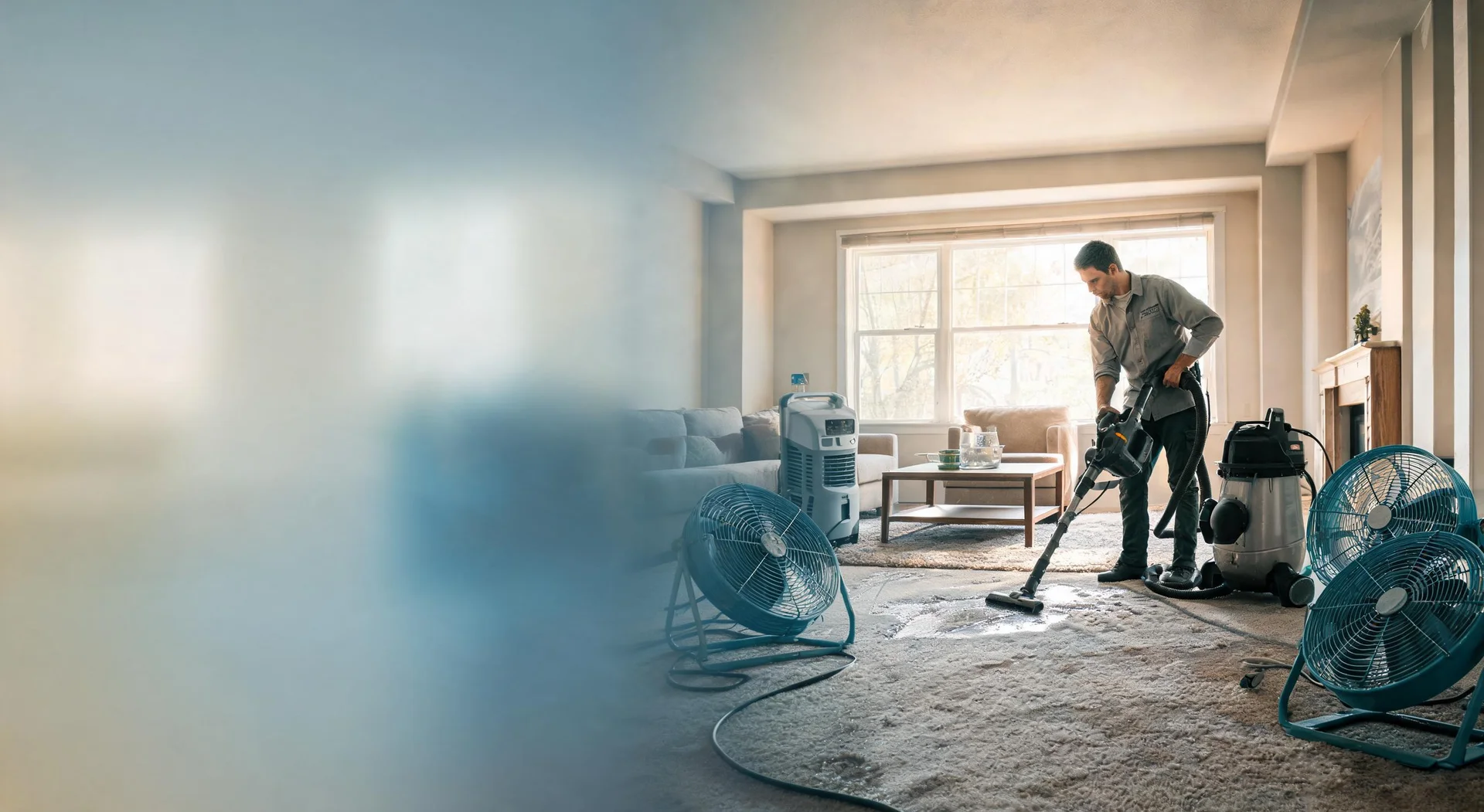
Seattle-area water, mold and odor help
Water Damage Restoration in Kenmore, WA
Local crews handle cleanup, drying, mold and odor issues. Straight answers, coordinated service, and respect for your home.
Kenmore water damage, mold and odor solutions
For water damage restoration in Kenmore, WA, Seattle Water Damage Restoration Services connects homeowners in Kenmore, WA with local water damage restoration pros who know the area and its homes. You get fast scheduling, clear communication, and careful work tailored to lakefront properties, hillside lots, and everything in between.
Our office in Seattle, WA at 2315 Western Ave, Suite 302, Seattle, WA 98121 coordinates service during regular hours, and the team can be reached at (206) 222-7698 for scheduling questions. Crews plan routes to Kenmore to minimize delays and arrive ready to assess, extract, dry, and protect your home’s finishes.
Because Seattle Water Damage Restoration Services is a connector, the matched contractors perform the on-site work. They bring the equipment, documentation, and know-how for water damage restoration, mold remediation and testing, mold removal, and thermal fogging odor removal.
Serving Kenmore neighborhoods
Kenmore, WA blends lakefront cottages, mid-century homes, and newer townhomes near main corridors. The pros we match work in homes by Log Boom Park, along Bothell Way NE, and near Kenmore Air Harbor. They understand how proximity to Lake Washington and the Sammamish River shapes moisture, ventilation, and access. That local context guides setup choices, from equipment placement to containment and ventilation paths.
How crews reach Kenmore from 2315 Western Ave, Suite 302, Seattle, WA 98121
From 2315 Western Ave, Suite 302, Seattle, WA 98121, crews typically head north through the Belltown/Downtown core, then choose the fastest route based on traffic and time of day. A common path is I-5 North to Lake City Way NE (WA-522) and then east to Kenmore. Another frequent option is Aurora Ave N (WA-99) to N 145th St, then east to WA-522 into town. When conditions on I-5 and WA-99 are tight, teams may use SR 520 to I-405 North and connect to WA-522 from the east side. Arrival windows are planned around normal commute patterns to reduce idle time in front of your address.
Arrival and parking considerations
Kenmore streets near the Burke-Gilman Trail or lake access points can be active with bikes and pedestrians. Crews look for parking that keeps equipment moves short while respecting driveways, sidewalks, and HOA rules. For homes on 68th Ave NE or Juanita Drive NE, they plan loading zones and hose runs so walkways stay clear and neighbors are not disrupted.
Water damage restoration for Kenmore homes
Once the source is addressed or isolated, the priority is to remove standing water and track where moisture traveled. Technicians map wet areas with meters and thermal imaging, check wall cavities, and look closely at trim, cabinets, and flooring that can trap moisture. Protecting finishes matters, so clean mats, corner guards, and dust control are standard during setup and equipment moves.
After extraction, targeted drying begins. Dehumidifiers and movers are arranged to push dry air through the space, with special attention to hardwoods, subfloors, and wall bases. In lake-adjacent neighborhoods, outside air can be humid, so crews balance ventilation with closed-drying to avoid bringing in more moisture than they remove. Daily checks verify progress and adjust the layout so materials reach dry standards without over-drying sensitive wood.
Mold remediation and testing in Kenmore
Kenmore’s shaded lots and cool lakeside breezes can keep crawl spaces and basements damp. In areas like Arrowhead and Moorlands, older floor systems may have limited insulation or vapor control. When mold is present, containment goes up to separate work zones, negative air helps capture spores, and HEPA filtration keeps the rest of the home clean. Non-porous materials are cleaned, affected drywall or trim may be removed, and framing is dried and treated.
Mold testing is used when verification is needed or when a homeowner, property manager, or insurer requests lab results. Independent sampling and lab analysis provide a clear snapshot before and after work. That data helps guide the cleaning plan and confirms the space is back to normal fungal ecology when the project wraps.
Odor removal with thermal fogging
After water losses, musty or stagnant odors can linger in building materials and hidden gaps. Thermal fogging odor removal creates a penetrating deodorizing fog that reaches small crevices, while ventilation and filtration manage air quality. Pros pair fogging with source removal, thorough drying, and HEPA air cleaning so odors are addressed at the cause, not just covered up.
Local factors near parks, trails and the river
Properties close to Saint Edward State Park often sit under tree canopy, which keeps temperatures lower and slows evaporation. Drying plans in these shaded zones may run longer with a tighter seal on the work area. Homes along the Burke-Gilman Trail or by the Sammamish River see higher ambient humidity at times, so crews meter outdoor conditions and choose whether to vent or keep a closed system to maintain the right grains-per-pound targets.
Kenmore’s mix of sloped streets and lake-level lots also changes how water moves. On hillside homes above Juanita Drive NE, gravity can drive leaks to lower levels and utility chases. Near the shoreline, shallow crawl spaces may need extra air movement and ground moisture control. The teams watch for secondary issues like cupping wood, delaminating subfloor, and microbial growth in low-airflow corners.
Apartments, condos and shared spaces
For condos along Bothell Way NE and near Log Boom Park, access rules, elevator protection, and quiet hours matter. Pros coordinate with building management to plan material moves, set up containment that stays clear of exits, and manage noise from air movers and dehumidifiers. Where ventilation is limited, HEPA air scrubbers and ducted exhaust help keep common halls and adjacent units clean.
Materials-focused strategies
Every home is different, so drying plans consider what’s actually wet. For engineered wood and solid hardwood, surface readings can be misleading; crews check the core and subfloor to decide on panel lifting, mat systems, or tenting. For cabinets and built-ins, kick plates and backs are evaluated, then selectively opened if needed to prevent hidden moisture from lingering. Carpeted areas get extraction and pad decisions based on saturation, cleanliness of the water, and seam stability.
Bathrooms and kitchens often hide water under tile and vanities. In these spaces, infrared scans and pin meters direct limited, careful removal to reach damp layers without unnecessary demolition. The goal is to dry what can be saved, replace what cannot, and keep your daily routine as stable as possible while work proceeds.
Insurance documentation and coordination
Matched contractors document conditions from the start with moisture logs, photos, and notes tied to rooms and materials. That record helps insurance adjusters understand the cause, the extent, and why certain steps were taken. If reconstruction is needed after drying, the documentation also guides builders so repairs match what was removed. For general cost information, see water damage restoration costs in Kenmore; final pricing depends on the loss and scope.
Scheduling and access
Office hours are 9 AM – 7 PM daily. Arrival windows are set around typical I-5, WA-99, and WA-522 traffic, local school pickups, and HOA guidelines where applicable. Before work starts, crews confirm water shutoffs, pet plans, gate codes, and parking so the first visit goes smoothly. During the project, you receive updates on drying progress, any recommended material changes, and next steps.
After the dry-out
When moisture levels return to target, equipment comes out and any remaining cleanup is wrapped. If repairs are needed, the pros can coordinate with your preferred contractor or refer licensed builders who work in Kenmore. The aim is a clean handoff from mitigation to put-back so floors, walls, and trim are restored with as little disruption as possible.
Our Services in Kenmore, WA
Typical water damage restoration cost in Kenmore, WA from independent local contractors (same as elsewhere in the Seattle, WA area): $700 - $9,000. See typical water damage restoration costs near Kenmore, WA.
Why Kenmore, WA Chooses Seattle Water Damage Restoration Services
Local routes, fewer delays
Crews know I-5, WA-99, SR 520, and WA-522 patterns to reach Kenmore efficiently from Seattle.
Vetted Seattle-area pros
You’re matched with experienced restoration teams who work across the North Lake Washington communities.
Thorough moisture tracking
Meters, thermal imaging, and clear reports give a full picture of what’s wet and what’s dry.
Respect for your home
Clean walk paths, contained work zones, and noise-aware setups keep daily life on track.
Mold and odor expertise
HEPA filtration, proper containment, and thermal fogging address both contamination and smells.
Insurance-friendly documentation
Photos, logs, and material notes help adjusters review scope and speed claim decisions.
Water Damage Restoration FAQs in Kenmore, WA
When local pros travel for water damage restoration in Kenmore, WA, which routes do they usually take from 2315 Western Ave, Suite 302, Seattle, WA 98121 on busy weekdays?
They commonly head north on I-5 and transition to Lake City Way NE (WA-522) into Kenmore. Depending on traffic, another option is WA-99 to N 145th St and then east to WA-522, or SR 520 to I-405 and back to WA-522 from the east side.
How do homes near Saint Edward State Park affect water damage restoration in Kenmore, WA?
Tree cover and cooler shade around the park can slow evaporation, so drying plans may run longer and use tighter containment. Access often uses Juanita Drive NE, and crews plan parking and equipment moves to respect park traffic and neighborhood trails.
What should homeowners close to Log Boom Park or the Sammamish River know about water damage restoration in Kenmore, WA?
Ambient humidity can be higher near the river and lake, so pros balance ventilation with closed-drying to keep conditions stable. Crawl spaces and lower levels are checked closely for seepage and condensation that can re-wet materials if not managed.
Are City of Kenmore permits required for water damage restoration in Kenmore, WA when walls or flooring must be replaced?
Like-for-like drying and minor removal usually do not need a permit, but structural changes, electrical work, or major reconstruction can trigger City of Kenmore requirements. The contractor reviews the current code and coordinates any needed permits before repair work proceeds.
Do lakefront homes in Arrowhead need special steps during water damage restoration in Kenmore, WA?
Lake exposure and older foundations can trap moisture, so crews check vapor barriers, insulation, and hidden cavities. Plans may use sealed drying with dehumidification rather than open-air venting when outdoor humidity is high.
How are odors handled after water damage restoration in Kenmore, WA condos near the Burke-Gilman Trail?
Shared walls and limited ventilation call for HEPA air scrubbing and careful containment. Once wet materials are addressed, thermal fogging can reach small gaps, and teams coordinate with building management to protect halls and elevators during setup and removal.
Contact Us Today for a Free Estimate
Protect your home and prevent ongoing water damage.
Schedule your water damage restoration service today.
Free — no obligations