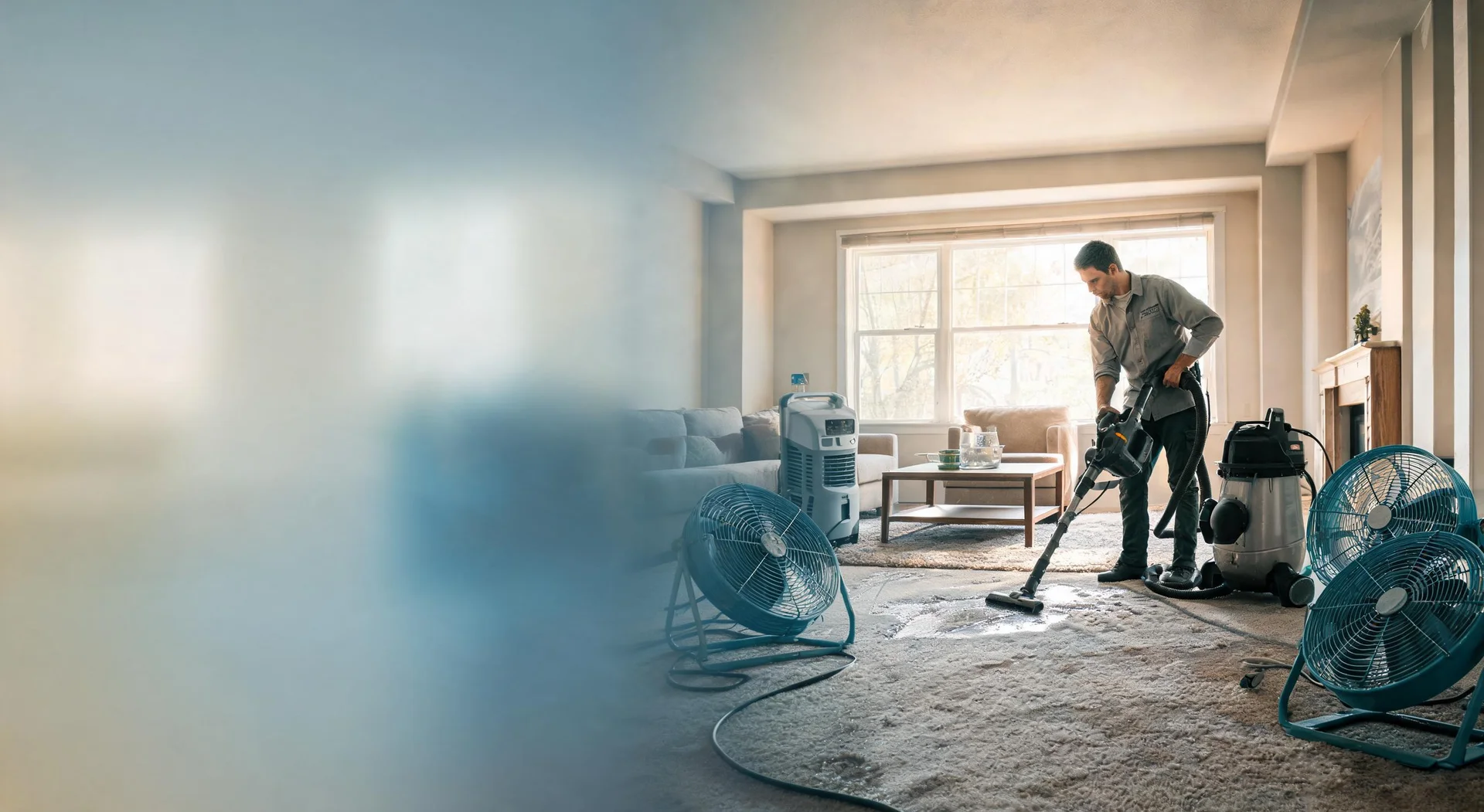
Seattle-area water, mold and odor help
Water Damage Restoration in Union Hill-Novelty Hill, WA
Local pros handle drying, cleanup, testing, and odor control for homes across the Redmond Ridge area and nearby neighborhoods.
Local help for Union Hill-Novelty Hill homes
Water damage restoration in Union Hill-Novelty Hill, WA is handled by local specialists we connect you with. Seattle Water Damage Restoration Services connects homeowners in Union Hill-Novelty Hill, WA with local water damage restoration pros who assess, dry, and clean up leaks and flooding, plus handle mold remediation, mold testing, and thermal fogging odor removal.
We are based in Seattle, WA at 2315 Western Ave, Suite 302, Seattle, WA 98121 and match projects with contractors who regularly work on the Eastside. Office hours are 9 AM–7 PM daily at (206) 222-7698.
Every home is different, so the matched crews plan work around the layout, materials, and what actually got wet. That means targeted drying, clear updates, and attention to details like crawl spaces, subfloors, and finishes common in planned communities and forested lots across this area.
Serving Union Hill-Novelty Hill homes
Union Hill-Novelty Hill, WA blends planned neighborhoods and wooded acreage, with many homes clustered around Redmond Ridge, along NE Novelty Hill Road, and near the Evans Creek Preserve and Redmond Watershed Preserve. When a pipe bursts, a washing machine line leaks, or wind-driven rain sneaks in, moisture travels fast in these construction types. The local pros Seattle Water Damage Restoration Services connects you with focus on quick assessment, safe drying, and restoring healthy indoor air - without guesswork.
Water damage brings more than puddles. Trapped moisture in subfloors, wall cavities, and crawl spaces can weaken materials and encourage mold. In this part of King County, dense soils and sloped lots can slow natural drainage, so it’s important to remove liquid water, manage humidity, and verify dryness before repairs.
What local pros do first
- Inspect the affected rooms and nearby spaces, including under cabinets and in closets.
- Map moisture with meters and thermal imaging so nothing is missed.
- Protect clean areas with floor covering and barriers.
- Extract standing water and wet carpet pad where needed.
- Set a plan for airflow and dehumidification sized to the home.
Clear communication matters. You’ll know what’s wet, what needs to come out, and what can be dried in place. Daily checks confirm progress, adjust equipment, and keep the timeline realistic for your household.
How crews reach Union Hill-Novelty Hill from Seattle, WA
Our office is at 2315 Western Ave, Suite 302, Seattle, WA 98121 in the Belltown area of Seattle, WA. From there, crews typically head to I‑5 or SR‑99, then go east on SR‑520 across Lake Washington. After passing Redmond, common approaches are Avondale Rd NE to Union Hill Rd NE, or NE Novelty Hill Rd up to Redmond Ridge and surrounding neighborhoods. For addresses closer to Sammamish, an alternate route uses I‑90 to E Lake Sammamish Pkwy SE, then north to NE Novelty Hill Rd.
These routes are chosen based on time of day, school traffic, and current conditions on the bridge and on NE Novelty Hill Rd. The goal is to arrive during your scheduled window and start mitigation steps quickly so drying can begin the same day.
Drying that fits local homes
Homes near Redmond Ridge and along Union Hill Rd NE often feature engineered wood, carpet over pad, and tile in kitchens and entries. Each material dries differently:
- Carpeted rooms: Extraction, floating or top-down drying, and dehumidification to pull moisture from fibers and pad.
- Engineered wood: Focused airflow and vapor control to avoid cupping; selective plank removal only when necessary.
- Cabinet bases and vanities: Toe-kick access, targeted airflow, and monitoring to prevent hidden moisture from lingering.
- Crawl spaces: Vapor barriers checked, standing water pumped if present, and dry air introduced so floor framing stabilizes.
Throughout, readings guide every change so materials reach target moisture before repairs.
Mold remediation and testing
If moisture has been present for several days, mold can begin on paper-faced drywall, the underside of subflooring, or in low-airflow closets. Matched contractors set containment, run HEPA air filtration, remove non‑salvageable materials, and clean remaining surfaces. After the area is dry and cleaned, mold testing can verify conditions meet normal indoor levels before rebuilding moves forward.
Thermal fogging odor removal
Lingering odors can remain after a long leak, saturated carpet, or a musty crawl space. Thermal fogging distributes a fine deodorizing fog that penetrates porous materials other methods can’t easily reach. It’s often paired with source removal and HEPA filtration so odors are neutralized rather than just covered up.
Neighborhood specifics that shape the plan
- Redmond Ridge and Redmond Ridge East: Two‑story homes and townhomes may need stair protection and careful equipment placement to keep living areas usable. Garages under bonus rooms can trap moisture in ceiling cavities; technicians open inspection points only where readings show it’s needed.
- Near Evans Creek Preserve: Low spots and shaded lots can stay damp longer after storms. Crews watch for wicking into baseboards and insulation along exterior walls and set dehumidifiers early to control humidity.
- Along NE Novelty Hill Road and Union Hill Road NE: Driveways can be steep. Vehicle placement and hose runs are planned to keep equipment safe and still reach the wet areas without tracking debris inside.
Documentation and coordination
Insurers typically want a clear record of what happened and how it was fixed. The local pros keep moisture readings, photos, and daily notes tied to rooms and materials so adjusters can follow along. That transparency helps reduce surprises when it’s time for repairs.
Repair scope after drying
Once materials are dry, the rebuild can be as small as baseboard re‑install and paint, or as involved as replacing sections of drywall, insulation, and flooring. The matched contractors can coordinate with specialty trades for cabinets, tile, and finish carpentry. Timelines depend on material lead times and the size of the affected area.
Safety and cleanliness
Containment, HEPA air scrubbers, and regular wipe‑downs keep dust controlled during demolition and drying. Vents and returns are protected so the rest of the home stays cleaner. Pets and kids are considered when routing cords and placing equipment, and noise is discussed so you know what to expect during business hours.
Seasonal considerations on the plateau
Fall and winter rains raise indoor humidity and can slow evaporation. Technicians counter this with balanced dehumidification and heat to keep targets on track. In summer, warm attic spaces can push moisture down into living areas, so monitoring includes ceilings and upper walls where necessary. Shaded lots near the Redmond Watershed Preserve may need an extra day of dehumidification compared with sunnier exposures.
Permits and approvals
Union Hill-Novelty Hill addresses are in unincorporated King County. If restoration involves structural changes, electrical, or plumbing beyond like‑for‑like replacement, King County permits may apply. The contractors can outline when permits are needed and coordinate inspections so the project stays compliant.
What it may cost
Pricing depends on the size of the affected area, materials, and how long moisture has been present. Insurance coverage varies by policy and cause of loss. For a general overview, see water damage restoration costs in Union Hill-Novelty Hill.
Simple steps you can take now
- Shut off the water at the main if a supply line is leaking.
- Move small items from wet floors; leave heavy furniture to the crew.
- Keep the driveway clear so equipment can reach the door.
- If safe, turn on HVAC fan mode to promote gentle air movement until equipment arrives.
With the right plan, most Union Hill-Novelty Hill homes are stabilized quickly, dried methodically, and ready for repairs without lingering odors or mold concerns. The pros serving this area know the roads, the housing, and the climate... and they bring the tools to match.
Our Services in Union Hill-Novelty Hill, WA
Independent local contractors in Union Hill-Novelty Hill, WA typically charge $700 - $9,000 for water damage restoration, the same as across the Seattle, WA area. See what water damage restoration costs in Union Hill-Novelty Hill, WA.
Why Union Hill-Novelty Hill, WA Chooses Seattle Water Damage Restoration Services
Eastside routing, predictable arrivals
Based in Seattle, WA, crews use SR‑520 and NE Novelty Hill Rd or Union Hill Rd NE to reach Redmond Ridge and nearby streets efficiently during business hours.
Vetted local contractors
Homeowners are matched with experienced restoration teams who work in Union Hill-Novelty Hill regularly and understand local building styles and soils.
Clear updates you can trust
You get plain‑language explanations, photos, and moisture readings so decisions about drying, removal, and repairs are straightforward.
Modern drying and mold control
Professionals use balanced dehumidification, targeted airflow, HEPA filtration, and containment to protect clean areas and speed results.
Respect for HOAs and neighbors
Crews plan access, parking, and noise with Redmond Ridge and other HOA rules in mind, keeping common areas clean and safe.
Odor removal that lasts
Thermal fogging and source cleaning go beyond cover‑ups to neutralize musty smells from long leaks or damp materials.
Water Damage Restoration FAQs in Union Hill-Novelty Hill, WA
Which routes do crews use for water damage restoration in Union Hill-Novelty Hill, WA when leaving from 2315 Western Ave, Suite 302, Seattle, WA 98121 during busy commute times?
Teams usually take I‑5 or SR‑99 to SR‑520 east across Lake Washington, then head toward Redmond. From there, Union Hill Rd NE or NE Novelty Hill Rd brings them up to Redmond Ridge and surrounding neighborhoods. For addresses near Sammamish, I‑90 to E Lake Sammamish Pkwy SE can be the better approach depending on traffic.
How do hills and forested lots along NE Novelty Hill Road affect water damage restoration in Union Hill-Novelty Hill, WA?
Steeper driveways and shaded exposures can keep materials damp longer. Crews plan safe equipment placement, protect floors on longer hose runs, and may extend dehumidification an extra day for shaded rooms so moisture reaches target levels.
What should homeowners near Evans Creek Preserve consider during water damage restoration in Union Hill-Novelty Hill, WA?
Low areas near the preserve can hold surface moisture after storms. Technicians check for wicking into baseboards and insulation along exterior walls and verify crawl space conditions so humidity doesn’t rebound after drying starts.
Are King County permits required for water damage restoration in Union Hill-Novelty Hill, WA if sections of drywall or flooring must be replaced?
Dry‑out work itself typically doesn’t need a permit, but structural changes or work involving electrical or plumbing may. Because this area is in unincorporated King County, the contractor will flag when county permits and inspections are required before rebuilding.
Do septic systems in Union Hill-Novelty Hill, WA change the approach to water damage restoration?
They can. If a backup or drain issue is involved, sanitation steps and selective removal are added to protect indoor air quality. Technicians also consider where discharge water is sent so pumps and filters don’t overload onsite systems.
How are odors handled after water damage restoration in Union Hill-Novelty Hill, WA homes around Redmond Ridge?
After source materials are removed and the structure is dry, crews use HEPA air filtration and targeted cleaning. Thermal fogging is added for stubborn musty smells in carpets, closets, and subfloors so living areas return to a neutral scent.
Contact Us Today for a Free Estimate
Protect your home and prevent ongoing water damage.
Schedule your water damage restoration service today.
Free — no obligations