Seattle-area water, mold & odor help
Water Damage Restoration in Bothell, WA
Local pros handle drying, cleanup, and repairs for homes across Bothell. Straightforward help during regular hours.
Local help for Bothell homes
For water damage restoration in Bothell, WA, Seattle Water Damage Restoration Services connects homeowners in Bothell, WA with local water damage restoration pros. You get help with cleanup, drying, repairs, mold remediation, mold testing, and odor removal from contractors who know the area well.
Scheduling is coordinated from Seattle, WA, and service hours run 9 AM – 7 PM. For availability and coverage details, the office can be reached at (206) 222-7698.
Every home and leak is different. The matched pros assess the source, map moisture with meters, and build a clear plan to protect structure and belongings. If mold is present or suspected, they can test or set up proper containment and filtration before removal.
Projects are documented with photos and readings that insurers recognize. Equipment is chosen for your space, whether that’s a crawlspace in an older Bothell home or a newer townhome near transit.
Serving Bothell, WA homes
From our office at 2315 Western Ave, Suite 302, Seattle, WA 98121 in Seattle, WA, local pros travel to Bothell by the most direct routes. Most days they head north on I‑5 and transition to WA‑522 (Lake City Way NE / Bothell Way NE) into downtown Bothell. When I‑5 is sluggish through Northgate, another reliable option is SR‑520 east to I‑405 north and then onto SR‑522 or SR‑527 (Bothell‑Everett Highway) for Canyon Park and North Creek addresses. These routes keep trucks close to supplies in the city while reaching Bothell neighborhoods efficiently.
Neighborhoods and landmarks we know
Bothell has a mix of riverfront, hillside, and business‑park areas. Homes near the Park at Bothell Landing and along the Sammamish River see different moisture challenges than homes in Canyon Park or around the UW Bothell and Cascadia College campus. North Creek corridors bring higher groundwater in wet seasons, while downtown Bothell’s older structures may have tight crawlspaces or layers of previous remodels. The matched pros tailor the plan to these local conditions.
Water damage restoration, step by step
- Initial inspection pinpoints the leak or intrusion and checks safety. Power, plumbing, and structural conditions are verified before work proceeds.
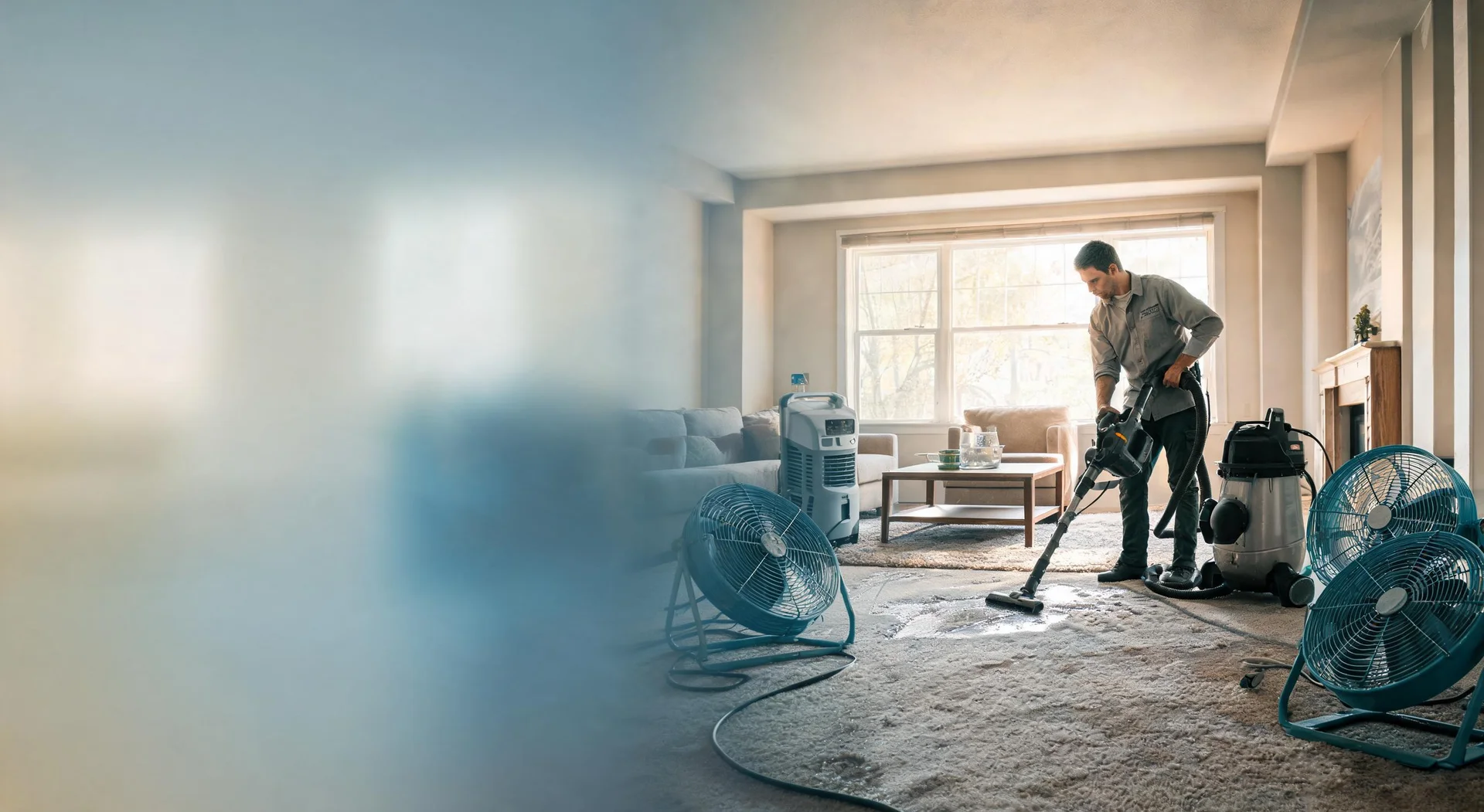
- Standing water is removed with extractors designed for flooring types from hardwood to carpet and tile.
- Moisture mapping tracks how far water traveled, including behind baseboards, under sill plates, and into wall cavities.
- Drying uses a balanced setup of dehumidifiers and targeted air movement to coax moisture out without over‑pressurizing sensitive areas.
- Repairs follow once materials reach dry standards, from replacing trim to addressing damaged sections of subfloor or drywall.
Bothell climate and building details
Fall and winter rains can push humidity up and slow natural evaporation. Pros counter that with the right size dehumidification and steady, measured airflow. In crawlspace homes common around older Bothell streets, they check insulation and vapor barriers so moisture does not re‑enter living spaces. In split‑levels and townhomes near Canyon Park, doorways and stairwells can channel air between floors, so equipment placement is planned to avoid spreading dust or odors.
Mold remediation and mold testing
If water has sat for more than a day or two, mold can gain a foothold. Local pros establish clean work zones with plastic sheeting and negative pressure to help keep spores from drifting. Porous, mold‑damaged materials are removed, and remaining surfaces are cleaned and then treated before thorough drying. Mold testing can document conditions before and after, or target hidden issues when a musty odor lingers but growth is not visible.
Protecting finishes and belongings
Furniture is blocked and lifted where possible so legs do not wick moisture. Cabinets and built‑ins are evaluated for swelling at toe‑kicks and backs; if salvageable, careful drying with vented panels may be used. For hardwoods, pros monitor plank cupping and subfloor moisture so refinishing decisions are based on readings, not guesswork. In condos near the UW Bothell campus, quiet, low‑profile equipment helps maintain neighborly noise levels during the drying period.
Odor removal with thermal fogging
After cleanup and drying, unwanted smells can remain... especially from greywater leaks, damp carpet pads, or long‑wet crawlspaces. Thermal fogging odor removal creates ultra‑fine droplets that move like smoke, helping deodorants reach the same paths that odors took. It is typically paired with source removal and surface cleaning first so the fogging locks in a fresh result instead of masking the problem. Spaces are ventilated after treatment per the product’s guidance before regular use resumes.
Common sources of water in Bothell
- Roof and gutter overflows after heavy rain, especially on homes shaded by tall evergreens.
- Supply line failures at toilets, dishwashers, and fridge ice makers.
- Basement and crawlspace seepage near the Sammamish River or North Creek when the water table rises.
- Wind‑driven rain through older window assemblies in downtown Bothell homes.
Working in occupied homes
Keeping living areas usable matters. Walk paths are protected, dust is controlled, and daily checks verify progress. If children, pets, or home offices are part of the picture, pros can stage equipment to preserve quiet zones and safe movement. In multifamily buildings, they coordinate with property managers so access, parking, and elevator pads are handled professionally.
Documentation and insurance coordination
Thorough notes, photos, moisture logs, and floor plan sketches help demonstrate scope and progress to insurers. Many Bothell projects involve a mix of mitigation and rebuild; clear documentation supports approvals for necessary repairs. If a building permit is needed for structural, electrical, or plumbing fixes, contractors work with the City of Bothell to secure the proper approvals before rebuilding.
Materials and repair choices
Some items can be dried in place, while others are better replaced to prevent future issues. For example, saturated carpet pad often comes out even when carpet can be saved. Swollen MDF trim rarely returns to shape, but solid wood may. Tile over concrete dries differently than tile over wood subfloor. The goal is to preserve what remains sound and swap what will not perform long‑term.
Homes near the river and trails
Addresses around the Park at Bothell Landing and the Sammamish River Trail can see repeated seasonal dampness in crawlspaces. Pros look for entry points at vents, grade lines, and vapor barriers. Drainage improvements or dehumidified crawlspace strategies may be recommended after drying so the same issue does not return with the next long rain stretch.
Access from 2315 Western Ave, Suite 302, Seattle, WA 98121 to different Bothell areas
- Downtown Bothell and the Park at Bothell Landing: I‑5 north to WA‑522 east (Bothell Way NE).
- UW Bothell / Cascadia College and nearby neighborhoods: SR‑520 east to I‑405 north, then WA‑522 or Beardslee Blvd.
- Canyon Park and North Creek: SR‑520 east to I‑405 north, then SR‑527 (Bothell‑Everett Highway).
Scheduling windows and noise
Service is available during standard daily hours. Equipment hum is kept as low as practical and doorways are sealed where needed so warm air and noise stay contained. Crews provide daily updates so you know how long drying is expected to continue and when repairs will begin.
What to expect from start to finish
You can expect a clear assessment, respectful protection of your home, steady drying with regular readings, and a tidy site at the end of each day. If mold is part of the picture, you will see defined work zones and careful removal with filtration. For lingering smells, thermal fogging or other odor control methods finish the job once cleaning and drying are complete. Pricing depends on the scope and materials involved; see water damage restoration costs in Bothell, WA for general guidance.
A note on permits in Bothell
Water cleanup itself typically does not require a permit. If repairs touch framing, electrical, plumbing, or major finishes, the contractor will check City of Bothell requirements and coordinate permits and inspections as needed. This keeps work aligned with code and helps future resale.
Ready for a straightforward plan
Whether the issue started with a burst line in a Canyon Park kitchen or wind‑driven rain near downtown Bothell, the matched pros bring the tools and experience to stabilize, dry, and repair your space. With routes dialed in from 2315 Western Ave, Suite 302, Seattle, WA 98121 and a process built for Pacific Northwest weather, homes in Bothell get practical, dependable care.
Our Services in Bothell, WA
Bothell, WA water damage restoration pricing from independent local contractors matches the rest of the Seattle, WA area: $700 - $9,000. See Bothell, WA water damage restoration pricing.
Why Bothell, WA Chooses Seattle Water Damage Restoration Services
Local routes that save time
Crews know the quickest ways from 2315 Western Ave, Suite 302, Seattle, WA 98121 to Bothell... via WA‑522 for downtown and SR‑527 for Canyon Park - so gear and materials arrive efficiently.
Vetted restoration specialists
Seattle Water Damage Restoration Services connects you with contractors who focus on water, mold, and odor jobs and bring the right tools for Bothell homes.
Clean, respectful work
Floors, furnishings, and living areas are protected, and daily checks keep noise, dust, and disruption as low as practical.
Clear documentation
Photos, moisture logs, and sketches help with insurance approvals and ensure everyone understands the plan and progress.
Complete solutions
From extraction and structural drying to mold remediation, testing, and thermal fogging odor removal, the matched pros handle the full scope.
Water Damage Restoration FAQs in Bothell, WA
For water damage restoration in Bothell, WA, how do crews usually drive from 2315 Western Ave, Suite 302, Seattle, WA 98121 during commuter hours?
Most teams leave 2315 Western Ave, Suite 302, Seattle, WA 98121 and take I‑5 north to WA‑522 for downtown Bothell jobs. When I‑5 slows through Northgate, SR‑520 to I‑405 north is a common alternate, then SR‑522 or SR‑527 to reach Canyon Park and North Creek neighborhoods. Routes are chosen daily to match traffic and weather.
What should homes near the Park at Bothell Landing consider during water damage restoration in Bothell, WA?
Properties close to the Sammamish River can see higher humidity and periodic seepage into crawlspaces. Local pros look closely at vent openings, grade lines, and vapor barriers and may recommend drainage or encapsulation steps after drying to prevent repeat moisture.
Do split‑level houses in Canyon Park change the approach to water damage restoration in Bothell, WA?
Yes. Split‑levels can channel air between floors through stairwells, so drying equipment is staged to guide airflow without spreading dust or odors. Moisture checks are taken on both levels and in wall cavities where water may have traveled behind finishes.
Are City of Bothell permits required for water damage restoration when damaged drywall or flooring must be replaced?
Cleanup and drying generally do not require permits, but repairs involving structural, electrical, or plumbing work may. Contractors familiar with Bothell coordinate with the city to pull any needed permits and schedule inspections before rebuilding proceeds.
How do North Creek’s higher groundwater and winter rains affect water damage restoration timelines in Bothell, WA?
In wet months, materials can absorb more ambient moisture, so drying plans include stronger dehumidification and closer monitoring. Crawlspaces near North Creek often need extra attention to keep moisture from re‑entering finished areas during and after drying.
After water damage restoration in Bothell, WA condos around UW Bothell, how are lingering odors handled?
Pros focus on removing odor sources first; wet pads, affected trim, or damp materials... then clean and dry thoroughly. Thermal fogging or other deodorizing methods are used afterward to neutralize remaining smells, with ventilation steps completed before normal use resumes.
Contact Us Today for a Free Estimate
Protect your home and prevent ongoing water damage.
Schedule your water damage restoration service today.
Free — no obligations